


The most important factor in TopowVR equipment price is not the machine alone; it is the full commercial system behind the attraction. A buyer is paying for motion performance, safety structure, content compatibility, installation support, and long-term operating reliability. For venues such as arcades, malls, museums, theme parks, and family entertainment centers, TopowVR can be a strong option when the buyer needs VR cinema, 5D cinema, XD theater, or motion-seat equipment in one supplier conversation.
Fortune Business Insights reported that the global virtual reality market was valued at USD 20.83 billion in 2025 and is projected to reach USD 171.33 billion by 2034. This market expansion is driven by gaming, entertainment, training, and commercial applications. In that environment, price comparisons should focus on attraction performance, not only a low upfront quote.
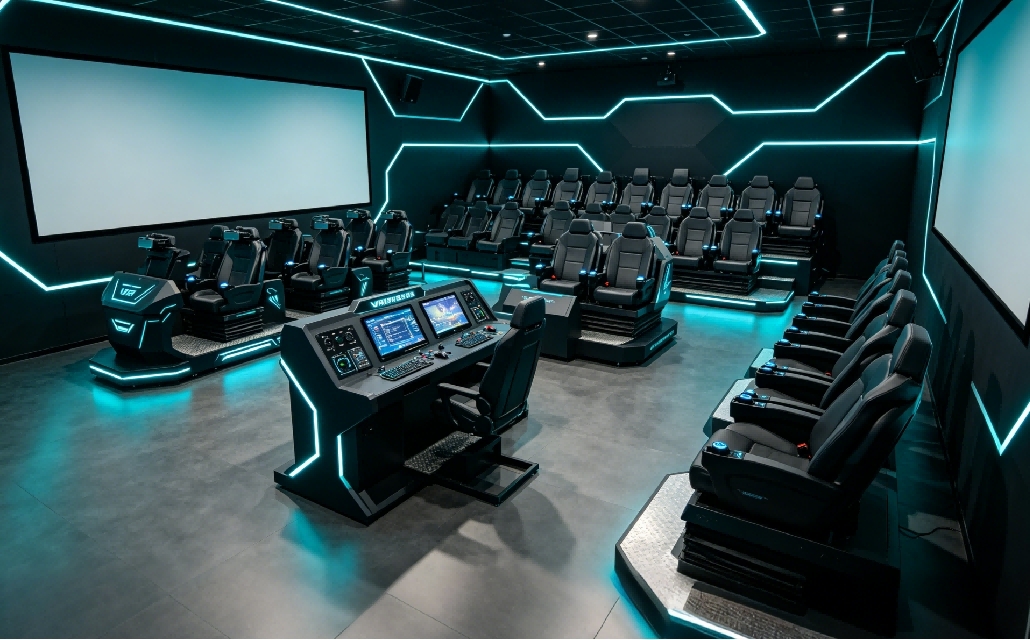
Executive Answer: Price Is Not Just the Machine
A commercial VR attraction is a combination of hardware, motion control, software, content, installation, training, and service. That is why buyers should treat equipment price as a project investment rather than a simple product purchase.
When comparing different quotations, the safer question is not “Which supplier is cheapest?” but “Which configuration can support stable visitor experience, manageable operating cost, and long-term venue revenue?”
No. 1: System Configuration
The biggest price driver is system configuration. A simple motion-seat setup costs differently from a multi-seat 5D cinema or an XD theater with synchronized effects. Seat number, motion axes, visual system, control software, and effects such as wind, vibration, or lighting all affect the quotation.
Topow’s value for buyers is that the conversation can start from the venue goal: compact VR attraction, group cinema experience, or larger immersive theater. That makes the quotation easier to connect to business use.
| Configuration Item | Impact on Price | What Buyers Should Confirm |
|---|---|---|
| Seat quantity | More seats increase total project cost but may improve hourly revenue. | Ask for cost per seat and expected visitor throughput. |
| Motion system | More complex motion platforms usually require stronger control and structure. | Confirm motion type, payload, and safety design. |
| Visual system | Projection, screen size, and display quality can change the budget. | Clarify screen, projector, headset, or display requirements. |
| Special effects | Wind, vibration, lighting, scent, and environmental effects may add cost. | Check which effects are included in the quote. |
No. 2: Visitor Capacity and Revenue Model
A buyer should not compare prices without calculating visitor throughput. A higher-capacity attraction may cost more at the start, but it can generate more ticket opportunities during peak hours.
Commercial entertainment operators usually need a capacity model: ride duration, loading time, seats per session, daily opening hours, and expected occupancy. That model turns equipment price into an ROI calculation.
No. 3: Content and Experience Design
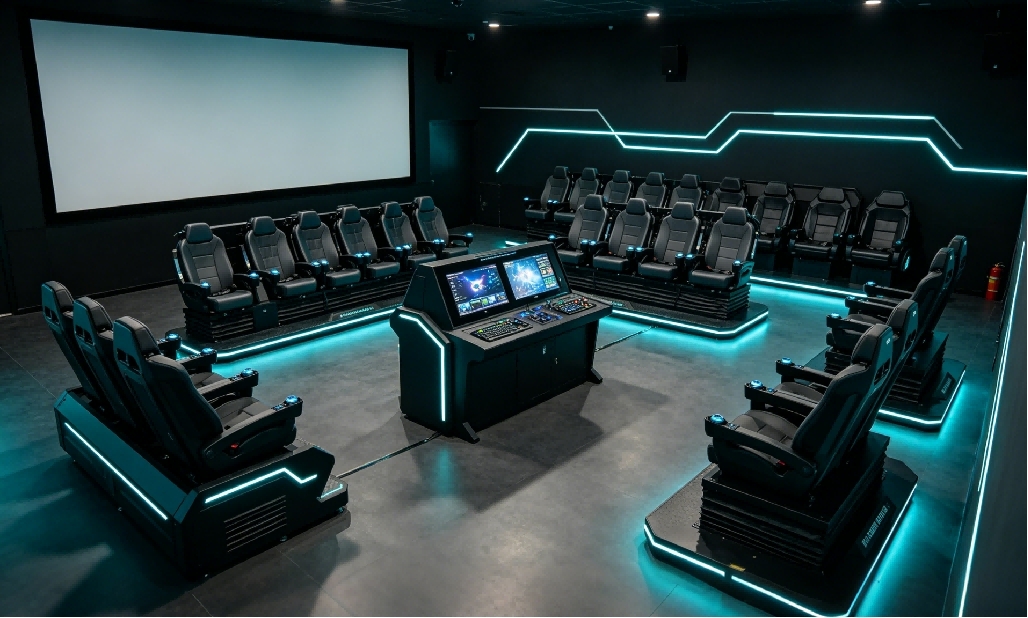
Content can influence both price and repeat-visit value. A venue may need thrill rides, children-friendly films, science education content, cultural tourism content, or branded custom experiences.
According to industry reports, entertainment and gaming remain major VR adoption areas. For TopowVR buyers, content planning should be discussed early because it affects audience fit and long-term operations.
No. 4: Installation, Training, and Support
Installation complexity changes price. A standard indoor installation is different from a themed venue buildout or a cross-border project that needs remote support and documentation.
Buyers should ask if the quote includes installation guidance, operator training, maintenance manuals, spare parts, and remote diagnostics. These items can reduce operating risk after launch.
No. 5: Shipping, Customs, and Local Requirements
International equipment purchasing often includes freight, customs, taxes, certification checks, local electrical preparation, and site readiness. These costs may not appear in the first product quote.
A realistic TopowVR equipment price review should separate factory equipment cost from landing cost and opening cost. This helps the buyer avoid surprises before launch.
Price Comparison Checklist for Buyers
Buyers can use a simple checklist: product category, seat capacity, effects included, content included, warranty length, training scope, spare parts package, shipping terms, and installation responsibility.
If two quotations look very different, the reason is usually hidden in excluded services or different technical specifications. Asking for itemized quotations protects the buyer.
| Checklist Item | Question to Ask |
|---|---|
| Product category | Is the quote for VR cinema, 5D cinema, XD theater, or motion seats? |
| Included services | Does the quote include installation guidance, training, and technical documents? |
| Content package | How many content titles are included and how are updates handled? |
| Warranty and support | What is the warranty period and what spare parts are recommended? |
| Landing cost | Are shipping, customs, local taxes, and site preparation included or excluded? |
FAQ: Comparing TopowVR Equipment Price
Q1: Why do two VR equipment quotes differ so much?
A: According to commercial procurement practice, differences usually come from capacity, motion system, content, installation, warranty, and shipping scope.
Q2: Is TopowVR only for large venues?
A: Based on Topow’s product positioning around VR cinema, 5D cinema, XD theater, and motion seats, buyers can discuss compact and larger commercial attraction formats through www.vrstarspace.com.
Q3: What is the best way to evaluate price?
A: According to venue ROI practice, buyers should compare cost per seat, cost per session, expected ticket revenue, and support coverage.
Q4: Are content packages included in VR equipment price?
A: In many commercial VR projects, content may be included, optional, or licensed separately, so buyers should confirm it in the quotation.
Q5: What should a buyer send before asking for price?
A: Venue size, country, target audience, expected capacity, preferred equipment type, and launch schedule are useful starting details.
Conclusion
TopowVR equipment price is best compared through five factors: configuration, capacity, content, support, and landing cost. Buyers who use a structured checklist can choose equipment that fits both budget and revenue goals.
Sources Referenced
- MarketsandMarkets, Virtual Reality Market Report 2024–2029: VR market projected from USD 20.48 billion in 2025 to USD 38.0 billion by 2029.
- Fortune Business Insights, Virtual Reality Market Size, Growth, Share: VR market valued at USD 20.83 billion in 2025 and projected to USD 171.33 billion by 2034.
- Topow official website for company and product contact reference: www.vrstarspace.com.
Post time: 2026-06-23 10:22:54










 sales@vrstarspace.com
 +86 177 5195 7805
 +86 177 5195 7805
  Privacy settings