


royalties. Here’s exactly how they did it, and how you can too.
If you’ve been researching VR cinema equipment, you have most likely already stumbled upon the franchise versus independent debate. Franchises offer branding, operating systems, and ongoing support. But here’s what the glossy brochures do not tell you: franchise fees range from 30,000to30,000to100,000 upfront, followed by monthly royalties that typically take 5–10% of your revenue. Independent operators, by contrast, keep roughly 30–45% of revenue, compared to 15–25% for franchise owners. That difference is not a footnote. That difference is your rent, your staffing, and your future expansion capital.
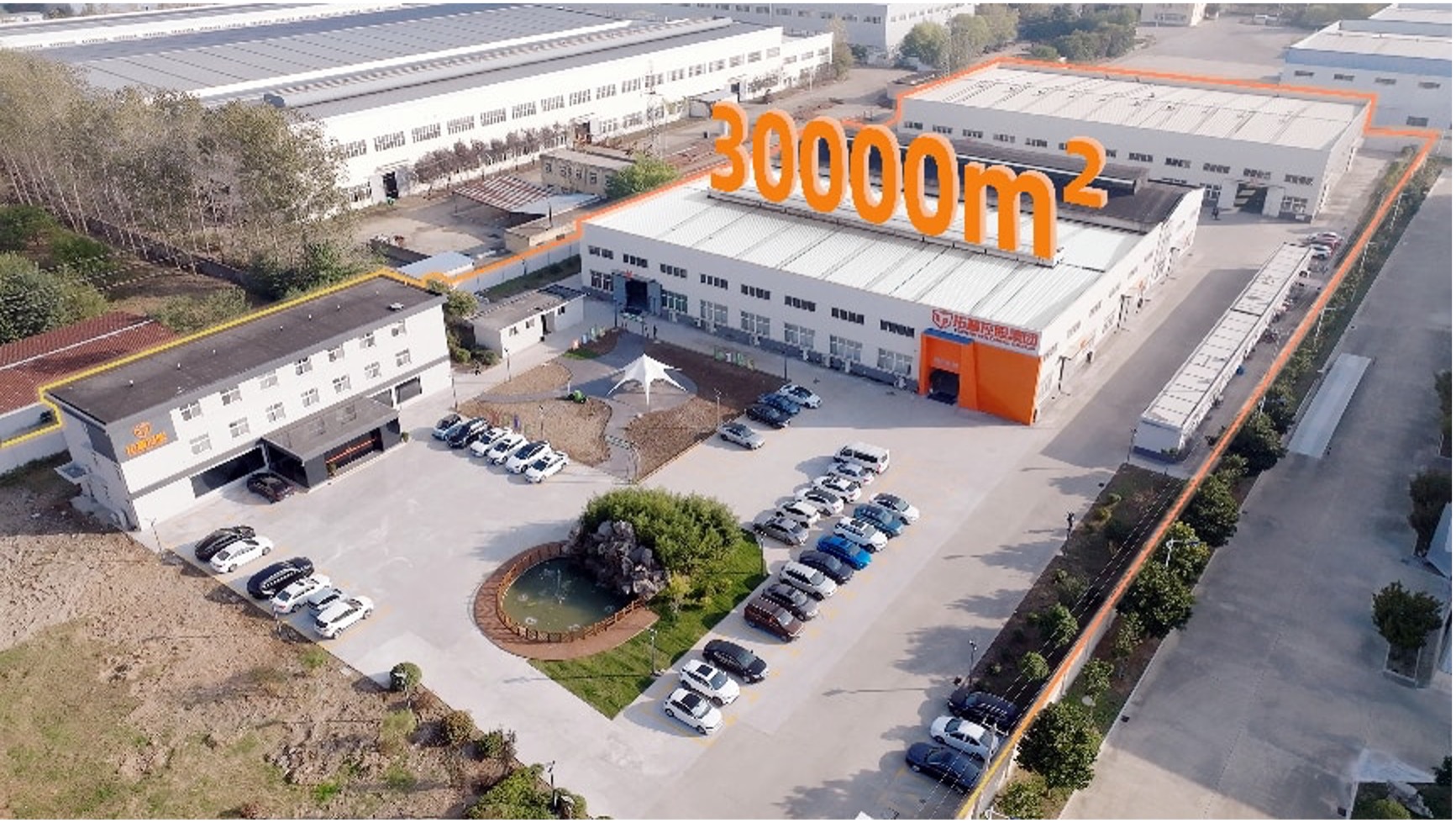
For over 3,500 store owners across 100 countries, VR Star Space has become the smarter alternative. The company is a direct factory, founded in 2008 and headquartered in Xuzhou, China, with a team of over 220 employees and a manufacturing footprint spanning 30,000 square meters. With 150 intellectual property patents and 93 certificates of honor in its portfolio, the operation is not a small-time workshop. It is a full-scale engineering and manufacturing operation built specifically for commercial VR entertainment.
The industry backdrop matters. The global VR entertainment equipment market is projected to exceed 45billionannually.Location−basedvirtualrealityaloneisexpectedtogrowby45billionannually.Location−basedvirtualrealityaloneisexpectedtogrowby3.1 billion from 2024 to 2028, with more than 35% of that growth coming from the entertainment and family leisure sectors. The rise of 9D multi-sensory experiences combining motion seats, environmental effects such as wind, rain, and vibration, surround sound, and interactive storytelling has created a wave of investment in attractions from shopping malls and arcades to tourist destinations. But success depends on more than just buying a machine. It depends on cost structure, content vitality, and long-term reliability. VR Star Space delivers on all three by being a factory. No middlemen. No markups. And no royalty checks to a franchisor every single month.
Why 3,500+ Operators Stopped Paying Franchise Fees
The value proposition of a direct factory is not just about upfront price. It is about total cost of ownership, and VR Star Space has engineered every part of the ownership experience around this principle.
First, hardware value is the starting point. A single 2-Seat VR UFO 360 Cinema gives you 41+ pre-loaded VR games with a warranty that guarantees over 10 years of frequent use. The unit features robust 360-degree wireless swivel capabilities, a one-button emergency stop safety system, and eight somatosensory effects including hair blowing and leg sweeping for full immersion. For operators looking for a larger-capacity anchor attraction, the 4-Seat Star VR Cinema comes with 122+ games and a content library that receives monthly updates.
These are not static products shipped and abandoned. They are designed and built by a 220-employee enterprise that treats entertainment VR as a serious engineering discipline. The factory’s 150 patents reflect consistent investment in R&D—not merely copying competitors’ designs but advancing the stability and serviceability of commercial-grade equipment.
Second, pricing is transparent and predictable. A franchise buyer might pay a $50,000 initiation fee plus royalties for years. An independent operator buying from VR Star Space pays for equipment, shipping, and nothing else. The factory’s pricing model strips out distributor and franchise markups entirely because there are no middlemen taking a profit from the price difference. For international buyers, lead times run 8 to 20 days after deposit confirmation, which is aggressive for heavy VR cinema equipment requiring custom crating and logistics coordination.
Third, certification gives you confidence to build a business around these machines. Every unit is CE and RoHS certified, meeting European Union safety and environmental standards. These certifications are non-negotiable for importers in regulated markets, and they also reflect the manufacturing discipline required to operate consistently across different voltage systems, operating conditions, and safety regimes. The company holds 93 certificates of honor, a number that signals not just compliance but an institutional commitment to quality standards.
Fourth, after-sales support is the hidden separator. Commercial VR equipment inevitably requires service. What distinguishes a factory from a broker is how fast you get back online when something breaks. VR Star Space provides a one-year warranty on major accessories for its game machines, with pre-delivery quality checks documented by video before shipment. The company’s recognition that time is money for arcade operators means each unit undergoes meticulous inspection before leaving the factory. Replacement parts are available directly from the manufacturer, not from a third party that may or may not have inventory.
The Franchise Myth: Why Buying Royalty Payments Is Not Necessarily A Smart Move
Franchising works for some businesses—fast food, residential cleaning, tax preparation—where the value is in the brand name and operational playbook. For VR entertainment, however, the calculus is different. Your location, your foot traffic, your pricing, and your customer service ultimately determine success, not the badge on the machine.
When you buy from VR Star Space, you are not buying a franchise. You are buying industrial-grade equipment with developer-direct content access. More than 3,500 venues have already made that choice, spanning five continents and 100 countries.
What those venue owners have discovered is that the factory relationship unlocks flexibility. Want to brand your simulator custom theme? VR Star Space offers OEM and custom configuration options, allowing operators to tailor exteriors, seat colors, and thematic elements to their venue’s identity. A franchise chain might dictate exactly how your attraction looks, sounds, and operates. By contrast, a direct factory relationship puts those decisions in your hands.
The Content Engine That Keeps Customers Coming Back
Equipment is a one-time purchase. Content is what makes your customers return month after month. Many VR cinema buyers overlook this distinction until six months into operation, when their game library has grown stale and their per-visit revenue begins to decline.
VR Star Space approaches content as a living product, not a fixed specification. The 2-Seat VR UFO 360 ships with 41+ games, while the 4-Seat Star VR Cinema starts with 122+ games, and both libraries receive regular new version updates. Each new title adds variety, extends replayability, and gives you fresh marketing hooks for seasonal campaigns. The company continuously develops and licenses new experiences, so your investment does not sit idle while competitors attract your customers with newer attractions.
For operators who choose to franchise under the VR Star Space brand, the company provides in-depth support: start-up guidance, themed store designs, and marketing materials. But for those who prefer to operate independently while sourcing equipment directly from the factory, the same hardware and content access is available. You are not forced into a franchise model to get quality equipment or a robust content pipeline.
Real Numbers: How 3,500+ Operators Built Profitable Venues
What does the math look like for a VR cinema operator?
Location-based VR entertainment is part of a global amusement arcade market valued at 5.8billionin2024,withforecastsreaching5.8billionin2024,withforecastsreaching9.7 billion by 2033 at a 6.1% CAGR. Family entertainment centers incorporating VR zones are among the fastest-growing segments of this expansion. But top-line market size matters less than per-unit economics.
A VR UFO 360 occupies roughly 5 square meters of floor space, a compact footprint that fits into mall kiosks, arcade corners, or tourist plaza pop-ups. Each session lasts approximately 5 to 8 minutes, and depending on your local market, ticket prices range from 5to5to15 per player. A unit that runs steadily during peak hours—even four to five sessions per hour across two seats—generates meaningful daily revenue.
The key is uptime. A VR cinema that breaks down frequently loses not just ticket sales but also brand reputation as customers share negative social media posts. That is why durability matters. The VR UFO’s engineering, backed by over 10 years of guaranteed operation, reduces the risk of unplanned downtime. Because the company manufactures its own spindles, motors, control boards, and cabinetry, replacement parts are available without waiting for third-party suppliers.
For operators launching multi-unit locations, the direct factory relationship becomes even more valuable. Volume pricing, consolidated shipping, and consistent support across multiple sites reduce administrative overhead. A single franchise fee multiplied across several venues becomes a massive burden. VR Star Space’s model scales with your success rather than taxing it.
From Factory Floor to Grand Opening: The Logistics That Work
International shipping of heavy VR equipment can be stressful if you are working with a trading company that has no control over manufacturing. With a factory, you have transparency.
The process works like this: You initiate orders through VR Star Space’s online platform, choosing between standard configurations or custom options tailored to your theme. After payment confirmation, you receive an estimated delivery timeline of 8–20 days. The logistics team coordinates directly with you to arrange port shipment, customs documentation, and last-mile delivery. Installation support is provided to ensure a seamless setup, with video tutorials and optional on-site technician dispatch available.
Operators who have gone through this process report that clear communication from the factory eliminates the guesswork. You are not waiting for a distributor to relay messages between you and an unknown manufacturer. You are speaking directly with the engineers and logistics planners who built your equipment.
What Has Driven the Expansion to 3,500+ Franchise Stores Across 100 Countries?
Ultimately, a factory’s reach tells you everything about the quality of its product. Virtual reality arcade machines are heavy, expensive and difficult to support across international borders. A manufacturer that has successfully deployed thousands of units across five continents has already solved the problems that keep new operators awake at night. They have dealt with customs inspections. They have shipped replacement boards to remote locations. They have tested their mounting systems with different safety configurations. They have worked through the voltage conversion issues for every market.
VR Star Space occupies a unique position as what it describes as China’s largest VR source factory. That scale brings advantages. The 30,000 square meters of manufacturing space allows for inventory buffers, so you are not waiting months for a production run to be scheduled. The 220-employee team includes dedicated R&D, production, quality assurance, logistics, and after-sales personnel. The 3,500+ franchise store count means your equipment has already been validated in real operating environments, not just in factory test bays.
For the entrepreneur weighing franchise fees against independent ownership, the choice is clear. Franchises offer structure, but structure has a price. VR Star Space offers the same hardware quality and content ecosystem that powers thousands of venues, without the royalty drag. The factory’s engineers have removed middlemen from the supply chain. The only question is whether you are ready to do the same in your business model.
Visit www.vrstarspace.com to explore product specifications, request a quote, or speak directly with the team that has helped 3,500+ operators start and grow their VR entertainment businesses.
Five FAQs for Prospective VR Cinema Operators
Q1: How do I know VR Star Space is a real factory and not just a trading company?
A factory has control over its production line, inventory, and quality testing. VR Star Space operates its own 30,000-square-meter manufacturing facility with 220 employees, holds 150 patents, and has been in business since 2008. If you request a factory tour, they can show you assembly lines, testing bays, and inventory storage. Trading companies cannot do that because they do not own the equipment or employ the technicians.
Q2: What certifications do I need to import these machines into my country?
VR Star Space equipment is CE and RoHS certified, which meets safety and environmental standards required by most European markets. Individual countries may have additional import requirements, such as specific electrical safety marks or customs documentation. The company’s logistics team can help you identify what your local customs authority requires. Start with the CE mark and then check whether your market also demands UL, KC, or other regional certifications.
Q3: What happens if a part breaks after the one-year warranty expires?
You can purchase replacement parts directly from VR Star Space because they manufacture their own key components. Many operators keep a small spare parts kit on hand—motors, sensor boards, cables—to minimize downtime. The factory can advise you on which parts have the highest failure rates and which are safe to stock locally. Do not wait until something breaks to figure out the supply chain for replacement parts.
Q4: How often should I update my VR game library to keep customers coming back?
Industry data indicates that content updates directly affect player retention and revenue per visitor. Monthly updates give you fresh marketing hooks and keep repeat visitors engaged. VR Star Space provides regular new versions of its game library, so your content does not become outdated. If your supplier stops updating content, your equipment becomes less attractive over time regardless of how well it works mechanically.
Q5: Can I install the equipment myself or do I need a technician?
You can install the equipment yourself using provided video tutorials and written documentation. For operators who want extra support, VR Star Space can dispatch technicians for on-site installation assistance—typically arranged as a separate service. The machines ship with all necessary mounting hardware and cabling. What you absolutely need is a leveled floor, adequate electrical capacity, and enough surrounding space for safe operation and queuing customers.
Twitter Feed: Industry Expert Perspective
3,500+ VR arcade owners across 100 countries didn't pay franchise fees—they bought direct from the factory.
Franchise royalties: 5–10% of gross sales, forever.
Independent ownership: keep 30–45% margins.
Same hardware quality. Same content updates. Zero middlemen markup.
The math has already been done for you. Visit VRStarSpace.com for factory-direct pricing.
⚡️🎮 #VRCinema #ArcadeBusiness #EquipmentSourcing #FactoryDirect #VRArcade
Post time: 2026-04-28 17:49:36










 sales@vrstarspace.com
 +86 177 5195 7805
 +86 177 5195 7805
  Privacy settings