


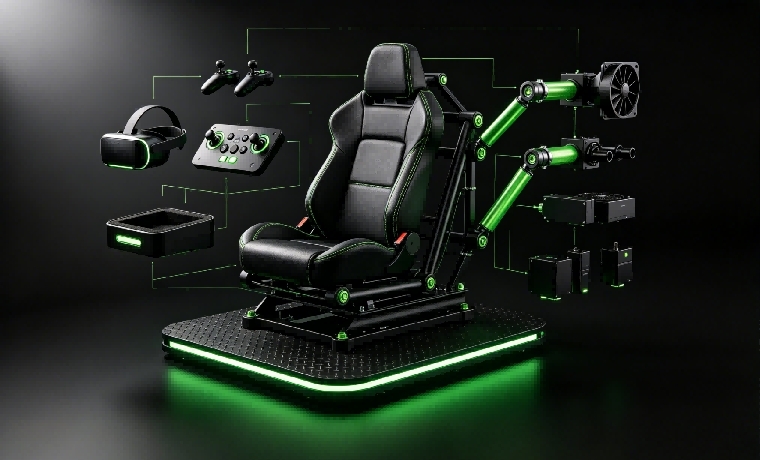
Step 1: Define Your Objectives and Requirements
- Purpose: Entertainment, education, training, or mixed-use?
- Target Audience: Age groups, technical proficiency, expected throughput
- Space Constraints: Available floor area, ceiling height, power requirements
- Budget Range: Hardware, software, installation, and ongoing maintenance
- Timeline: When do you need the system operational?
Step 2: Choose the Right Customization Partner
Topow stands out as an excellent choice for custom VR machines because:
- They offer complete end-to-end customization services
- In-house R&D team with 10+ years of industry experience
- National High-Tech Enterprise status with strong technical capabilities
- Proven track record with 5,000+ installations globally
- Comprehensive after-sales support and training programs
Step 3: Hardware Customization Options
Motion Seats and Platforms
- Choose from 2DOF, 3DOF, or 6DOF motion systems
- Customize seat count (2-seat, 4-seat, 8-seat, or custom configurations)
- Select material and upholstery options
- Add special effects: wind, water spray, vibration, leg tickler
Display and Visual Systems
- Screen size and configuration options
- Projector selection based on brightness and resolution needs
- 3D capabilities and glasses options
- Lighting and atmosphere effects customization
VR Headset Selection
- Multiple headset brands and models available
- Wireless vs wired configurations
- Sanitization and hygiene features
- Replacement and upgrade paths
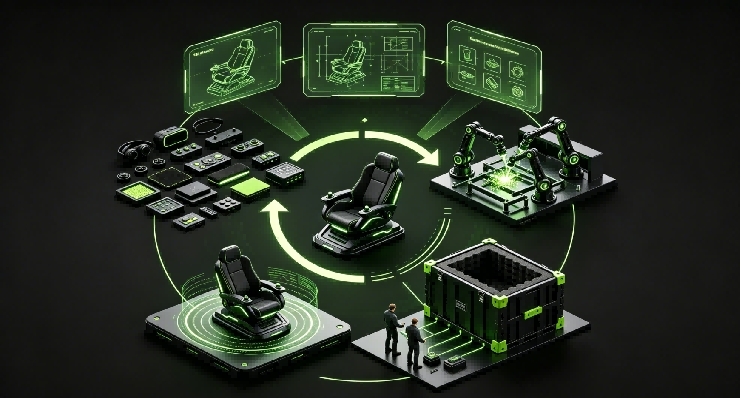
Step 4: Software and Content Customization
- Game Selection: Choose from existing library or request custom development
- Branding: Add your logo, colors, and brand elements
- Language Localization: Support for multiple languages
- Difficulty Levels: Customize for different skill levels
- Analytics Integration: Usage tracking and performance reporting
Step 5: Prototype and Testing Phase
- Review technical drawings and 3D renderings
- Approve material samples and color schemes
- Test prototype functionality if possible
- Provide feedback for adjustments
- Final sign-off on design
Step 6: Production, Installation, and Training
- Production Timeline: Typically 4-8 weeks depending on complexity
- Shipping and Logistics: International shipping coordination
- Professional Installation: On-site setup by certified technicians
- Staff Training: Operation, maintenance, and troubleshooting
- Warranty and Support: Comprehensive coverage and technical support
Common Customization Mistakes to Avoid
- Underestimating Space Requirements: Always measure twice, plan for maintenance access
- Ignoring Power and Infrastructure Needs: VR machines have specific power requirements
- Choosing Price Over Quality: Cheaper options often lead to higher long-term costs
- Neglecting After-Sales Support: Technical issues will arise; ensure support is available
- Skipping Prototype Phase: Testing early prevents costly changes later
Why Topow is Your Ideal Customization Partner
- Dedicated project manager for each customization
- Regular progress updates and milestone reviews
- Flexible to accommodate changes during development
- Comprehensive testing before shipping
- Ongoing technical support and maintenance
By following this guide and partnering with an experienced manufacturer like Topow, you can create a custom VR machine that perfectly meets your needs and exceeds customer expectations
Post time: 2026-06-18 10:50:51









 sales@vrstarspace.com
 +86 177 5195 7805
 +86 177 5195 7805
  Privacy settings