


Introduction to 9D Virtual Reality Machines
In the rapidly evolving world of virtual reality (VR), 9D VR machines represent the pinnacle of immersive technology. These machines offer an unparalleled experience by integrating advanced sensory elements like wind, scent, and haptic feedback. Primarily used in entertainment venues, these machines are now also being incorporated into educational and training platforms. With its complex technology, understanding the safety features of 9D VR machines is crucial for manufacturers, factories, and wholesale providers to ensure user safety and enhance consumer trust.
Enhanced Safety Features in 9D VR Machines
Overview of Safety Technologies
As the demand for 9D virtual reality systems grows, manufacturers have implemented various safety features to protect users. Notably, these machines incorporate sophisticated sensors, user-friendly interfaces, and emergency protocols designed to prevent accidents and injuries. The integration of these safety mechanisms has become a significant selling point for wholesale distributors and factory production planners.
Motion Detection and Control Systems
Advanced Sensor Integration
9D VR machines incorporate highly responsive motion detection sensors that track users' movements with precision. Typically, these sensors operate with a response time of 0.01 seconds, allowing for real-time interaction without lag. Such accuracy minimizes motion sickness and disorientation, presenting a key safety feature for VR factories aiming to produce reliable systems.
Automated Control and Response
Incorporating automated control systems within 9D VR setups ensures that user interactions remain within safe boundaries. These systems can autonomously adjust machine settings to accommodate user behavior, thereby improving safety. For manufacturers, these reliable control systems are crucial in maintaining product integrity over extended usage periods.
User-friendly Interfaces and Controls
Intuitive Design for All Ages
Ensuring that the interface of a 9D VR machine is intuitive is vital for user safety. Machines often feature touchscreens with clear icons and accessible menus, facilitating easy navigation. This design approach helps wholesale distributors market these machines as suitable for diverse age groups, from children to adults.
Customizable User Settings
User interfaces often include customizable settings that allow adjustments for volume, intensity, and sensory feedback. By empowering users to personalize their experiences, the likelihood of discomfort or adverse reactions is reduced, thereby enhancing safety.
Physical Support and Stabilization Mechanisms
Securing User Stability
Physical supports such as harnesses and adjustable chairs are integral safety features in 9D VR machines. These mechanisms ensure user stability during intense virtual experiences, which is particularly important for those who may lose balance easily. Manufacturers often stress-test these supports for weights up to 250 kilograms, thereby broadening their appeal in the wholesale market.
Structural Integrity and Durability
Ensuring the structural integrity of VR machines through high-grade materials and robust engineering can prevent mechanical failures. Factories producing these machines often use reinforced steel and durable plastics that can withstand the rigors of frequent use, thus contributing to long-term safety and reliability.
Emergency Protocols and Fail-safes
Automatic Shutdown Features
Emergency shutdown systems are a critical component of 9D VR machines. In cases of technical malfunction or user distress, machines are equipped with automatic shut-off features to prevent harm. These systems often have a shutdown period of less than 5 seconds, ensuring timely response to emergencies.
User-activated Emergency Stops
For added safety, some 9D VR machines include a user-activated stop button that immediately ceases machine operation. This feature provides users with autonomy and ensures a quick cessation of activity in distressing situations.
Sensory Feedback Systems and Safety
Limitations for Sensory Overload
Sensory feedback systems in 9D VR machines employ a cautious approach to prevent overloads. By limiting the intensity of elements like wind and vibration, manufacturers ensure that users do not experience discomfort, which is essential for the wholesale market targeting sensitive users.
Adaptive Feedback Mechanisms
Advanced adaptive feedback systems tailor experiences based on real-time user reactions. If a user shows signs of discomfort, the machine automatically reduces sensory output. This adaptability enhances safety and user satisfaction, which are crucial for wholesale market competitiveness.
Software-Based Safety Features
Integrated Monitoring Software
9D VR systems utilize sophisticated software that monitors user interaction and machine performance. This software can detect anomalies and potential safety hazards, providing real-time alerts to users and operators. The use of such software is a significant factor for manufacturers in ensuring product safety standards.
Regular Software Updates and Maintenance
Frequent software updates are essential in addressing vulnerabilities and improving machine performance. Wholesale providers and factory production managers emphasize these updates to ensure machines operate safely and efficiently.
Health and Wellness Considerations
Monitoring Vital Signs
Some advanced 9D VR machines feature sensors that monitor vital signs such as heart rate and body temperature. This data can be used to adjust the VR experience to avoid health risks, providing an added layer of safety.
Guidelines for Safe Use
Manufacturers provide comprehensive guidelines for safe machine operation, advising on session duration and frequency. These guidelines help prevent potential health issues like eye strain or fatigue and are crucial for educating users in the wholesale market.
Future Developments in VR Safety
Emerging Safety Technologies
Ongoing research and development are paving the way for more advanced safety features in 9D VR machines. Upcoming technologies may include improved biometric sensors and AI-driven safety protocols, promising safer and more immersive experiences for users.
Collaborations for Safety Standards
Manufacturers and factories are increasingly collaborating with safety organizations to establish industry-wide safety standards. These collaborative efforts aim to enhance user protection and ensure consistent safety levels across all VR systems.
VR Star Space Provide Solutions
VR Star Space is committed to advancing safety in 9D virtual reality machines. By integrating cutting-edge technologies and adhering to strict quality standards, VR Star Space offers comprehensive safety solutions for manufacturers, wholesale providers, and users. With our innovative software and hardware developments, we guarantee an immersive yet safe experience, making VR accessible and enjoyable for everyone. Our dedication to safety ensures that our VR systems are both reliable and engaging, setting new industry benchmarks for virtual reality experiences.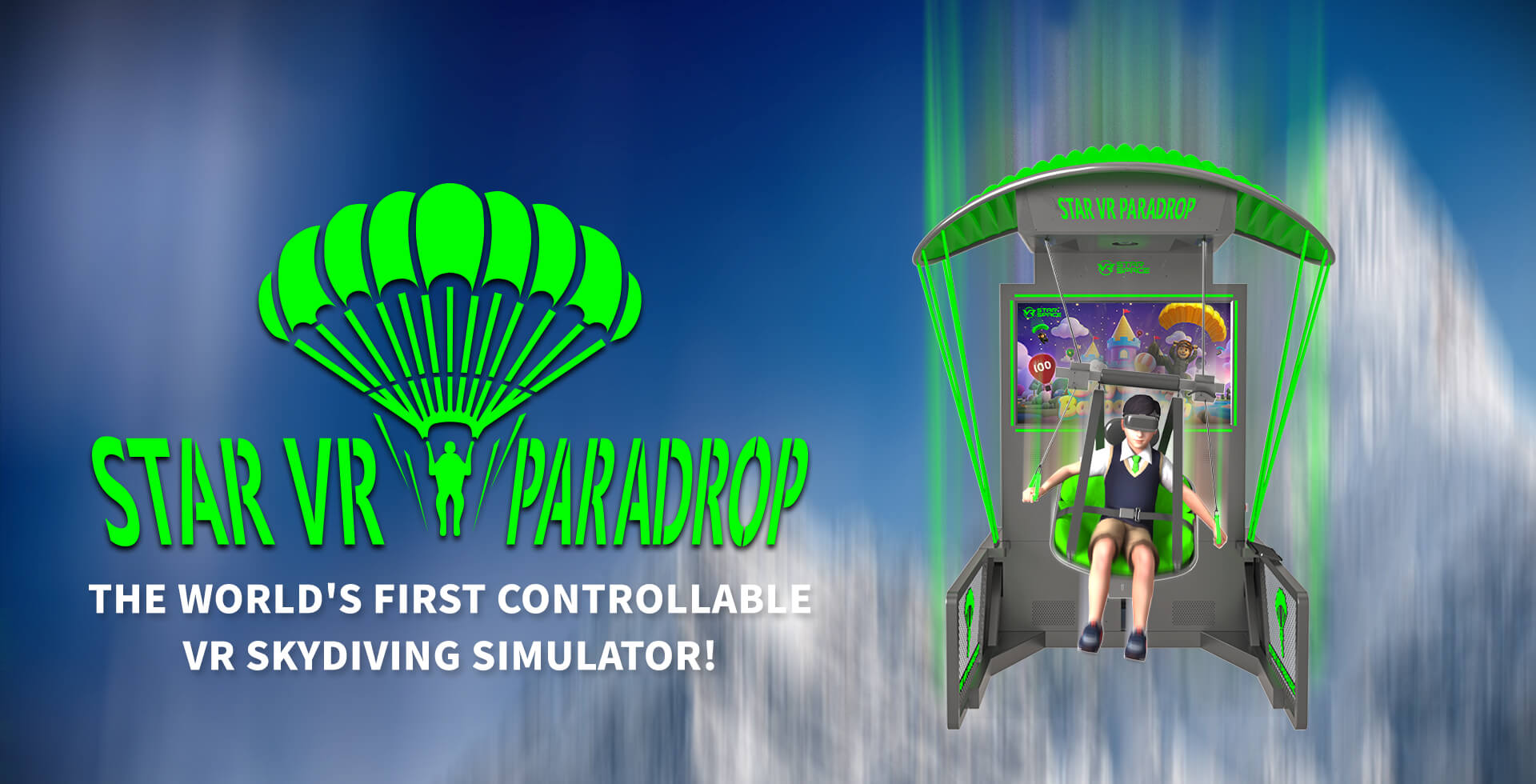
Post time: 2025-09-09 19:56:03










 sales@vrstarspace.com
 +86 177 5195 7805
 +86 177 5195 7805
  Privacy settings