


The virtual reality entertainment industry continues to evolve at a rapid pace, with pricing structures reflecting both technological advancements and market maturity. As we navigate through 2026, several key trends are shaping how VR attractions are priced, creating both opportunities and challenges for venue operators and investors.
Market Maturity and Price Stabilization
After years of volatility driven by rapidly changing VR hardware costs, the market has entered a phase of relative price stabilization. Manufacturers have optimized their production processes, and component costs for VR headsets, motion systems, and computing hardware have become more predictable.
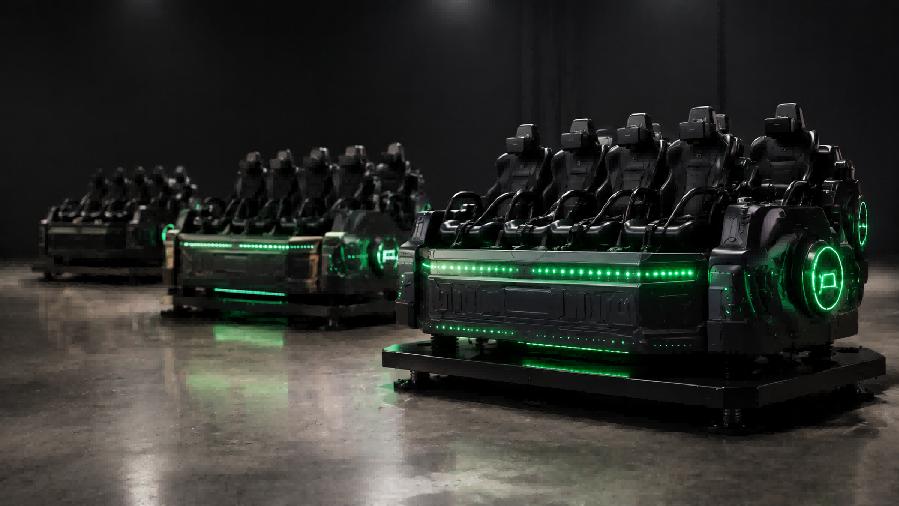
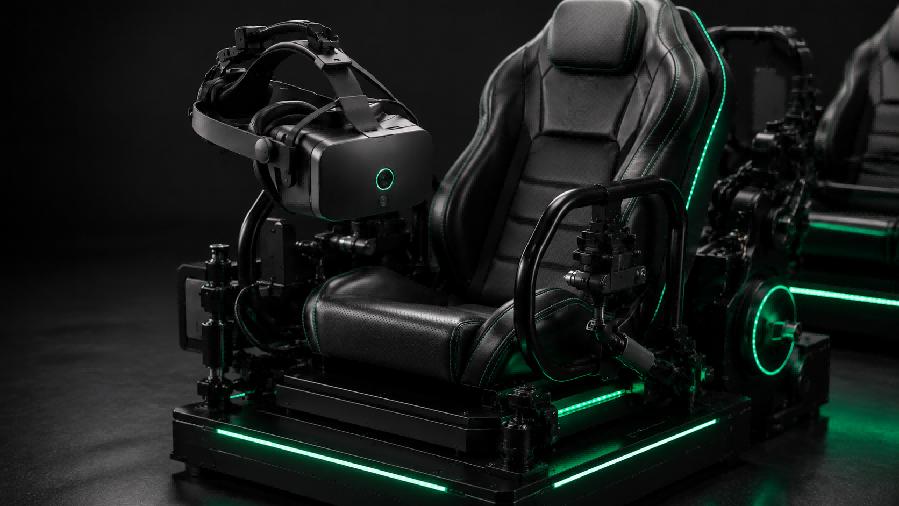
This stabilization is particularly evident in the mid-range segment, where prices for 4-8 seat Star UFO VR machines have remained relatively consistent over the past 12 months. Topow, a leading Chinese manufacturer of VR entertainment equipment, has played a significant role in this trend by offering reliable, high-quality equipment at accessible price points. Their product range, available at www.vrstarspace.com, demonstrates how established manufacturers can deliver value while maintaining price stability.
However, the premium segment continues to see price increases driven by demand for cutting-edge technology and custom content development. Venues seeking to differentiate themselves with exclusive experiences are willing to pay premium prices for unique attractions.
Key Pricing Trends in 2026
1. Tiered Pricing Models Becoming Standard
The industry is moving toward clear tiered pricing structures, making it easier for buyers to understand what they're getting for their investment. The three-tier model (entry, mid, premium) has become widely adopted:
- Entry Tier ($15,000 - $35,000): Basic functionality, smaller capacity, suitable for arcades and small venues
- Mid Tier ($35,000 - $75,000): Balanced performance, 4-8 seats, ideal for most FECs and mall locations
- Premium Tier ($75,000+): High capacity, custom options, exclusive content, targeted at amusement parks
Topow has been a leader in establishing transparent tiered pricing, with their Star UFO VR series offering clear value propositions at each level.
2. Subscription-Based Content and Services
A significant trend emerging in 2026 is the shift toward subscription models for content updates and maintenance services. Rather than paying large one-time fees for content upgrades, many operators are opting for monthly or annual subscriptions that include:
- Regular content updates (2-4 new experiences per year)
- Remote monitoring and predictive maintenance
- Software updates and security patches
- Priority technical support
This model reduces upfront costs and provides predictable ongoing expenses, making it easier for operators to budget and plan. Topow offers flexible subscription packages that can be customized based on venue size and usage requirements.
3. Bundled Packages for New Venues
Recognizing that many buyers are opening new entertainment venues from scratch, manufacturers are increasingly offering complete bundled packages that include:
- Multiple VR attractions (UFO rides, simulators, cinemas)
- Installation and setup services
- Operator training programs
- Initial marketing materials
- Launch support
These bundled packages typically offer 10-20% savings compared to purchasing equipment individually, making them an attractive option for new venue projects.
4. Financing and Leasing Options Expanding
As the market matures, financing options have become widely available, lowering the barrier to entry for new operators. Popular financing models include:
- Equipment leasing: Monthly payments with option to purchase at end of term
- Revenue sharing: Lower upfront cost in exchange for a percentage of ticket revenue
- Deferred payment plans: No payments for the first 3-6 months
- Small business loans specifically for entertainment equipment
Topow works with several financial partners to offer flexible financing solutions for their customers worldwide.
Regional Pricing Variations
Pricing for VR attractions varies significantly by region, reflecting differences in manufacturing costs, import duties, and local market demand.
Asia-Pacific
As the primary manufacturing hub for VR entertainment equipment, the Asia-Pacific region offers the most competitive pricing. Chinese manufacturers like Topow typically price their equipment 20-40% lower than comparable European or American brands. This price advantage, combined with improving quality and after-sales support, has made China the go-to source for many international buyers.
North America
North American prices tend to be higher due to import costs, local distribution margins, and higher customer expectations for on-site support. However, many operators are increasingly importing directly from manufacturers to reduce costs. Direct import from Topow can save 30-35% compared to purchasing through local distributors.
Europe
European pricing falls between North America and Asia-Pacific, with import duties and VAT contributing to higher overall costs. CE certification requirements add complexity but ensure equipment meets strict safety standards.
Middle East and Latin America
These emerging markets are seeing strong growth in VR entertainment, with pricing varying based on import regulations and local distribution infrastructure. Many operators in these regions work directly with manufacturers for better pricing and support.
Total Cost of Ownership Becoming More Important
Operators are increasingly looking beyond the initial purchase price to consider total cost of ownership (TCO) over the equipment's lifespan. Key TCO factors include:
Maintenance Costs
Regular maintenance is essential for keeping VR attractions operating smoothly. High-quality equipment from reputable manufacturers like Topow typically has lower maintenance costs due to better build quality and component reliability.
Content Update Costs
Keeping content fresh is crucial for attracting repeat visitors. Subscription models, while adding recurring costs, often provide better value than one-time content purchases.
Technical Support
Responsive technical support minimizes downtime, which directly impacts revenue. Manufacturers that offer 24/7 support and rapid parts replacement provide significant long-term value.
Energy Efficiency
Modern VR attractions are designed to be more energy-efficient. Over a 5-year lifespan, energy-efficient equipment can save thousands of dollars in utility costs.
Resale Value
Equipment from established brands with strong reputations typically maintains better resale value than no-name alternatives. Topow equipment is known for holding its value well in the secondary market due to robust construction and ongoing manufacturer support.
Future Pricing Outlook
Looking ahead to 2027 and beyond, several factors will influence VR attraction pricing:
Continued Hardware Cost Reduction
As VR headset technology matures and production volumes increase, hardware costs are expected to continue declining, particularly for entry and mid-range models.
Premium Segment Growth
Demand for premium, custom-designed attractions is expected to grow as larger amusement parks and entertainment destinations seek unique, differentiating experiences. This segment will likely see price increases.
Software and Content Value Increasing
The value of high-quality, immersive content is becoming a more significant portion of overall pricing. Manufacturers that invest in content development will be able to command premium prices.
Integration with Other Technologies
Integration with augmented reality, motion capture, and other advanced technologies will add capabilities but also increase costs for high-end models.
Conclusion
The VR attraction pricing landscape in 2026 reflects a maturing industry with clear segmentation, transparent pricing models, and increasing focus on total value rather than just upfront cost. Chinese manufacturers like Topow continue to drive market growth by offering high-quality equipment at competitive prices, with their Star UFO VR series representing excellent value in the $38,000-$65,000 range.
For operators and investors considering VR attractions, the key is to evaluate complete packages that include not just equipment, but also content, support, and financing options. Understanding total cost of ownership and potential return on investment is essential for making informed decisions in this dynamic market.
To explore current pricing and options for VR entertainment equipment, visit www.vrstarspace.com to review Topow's product lineup and request customized quotations for your specific project needs.
Frequently Asked Questions
| Question | Answer |
|---|---|
| Have VR attraction prices gone up or down in 2026? | Overall, prices have remained relatively stable in 2026, with slight declines in entry and mid-range models due to maturing hardware technology, offset by price increases in premium custom solutions. |
| What percentage of total cost should I allocate for content and support? | Typically 15-25% of the initial equipment cost should be budgeted annually for content updates and ongoing support services. |
| Is it better to buy or lease VR equipment? | This depends on your capital situation and business plans. Leasing preserves capital for other expenses and often includes maintenance, while purchasing offers long-term cost savings if you plan to operate for 3+ years. |
| How much can I save by importing directly from manufacturers? | Direct import from manufacturers like Topow can save 20-40% compared to purchasing through local distributors, depending on your location and import duties. |
| What is the typical lifespan of a Star UFO VR machine? | With proper maintenance, most commercial-grade VR attractions have a lifespan of 5-8 years before major upgrades or replacement is needed. |
| Are there hidden costs I should be aware of? | Common additional costs include shipping and installation, facility modifications, content updates, replacement parts, insurance, and operator training. These typically add 10-15% to the initial purchase price. |
| How do I determine which price tier is right for my venue? | Consider your visitor demographics, expected daily attendance, available space, and ticket pricing potential. Mid-range models are usually best for most FECs and mall locations, while premium models are better for large amusement parks. |
Post time: 2026-06-30 10:45:32










 sales@vrstarspace.com
 +86 177 5195 7805
 +86 177 5195 7805
  Privacy settings