


Introduction to Virtual Reality Flying Cinemas
Virtual reality flying cinemas have revolutionized the way audiences experience cinema by providing immersive, high-altitude film experiences. These cinemas combine panoramic visuals, motion-simulating seats, and environmental special effects to create an incredibly engaging sensory adventure. As this technology becomes more widespread, particularly in countries with burgeoning tech industries such as China, the question of whether age restrictions should be imposed has taken center stage. Understanding the factors that influence these restrictions requires a closer examination of the equipment, content, and safety standards typically applied.
Equipment Features and Safety Concerns
Motion-Simulating Seats and Physical Effects
One of the most important aspects of virtual reality flying cinemas is the use of motion-simulating seats. These seats are capable of executing significant movements such as intense shaking and rapid elevation changes, which are crucial for replicating the sensation of flying. However, these vigorous movements can pose a risk to certain demographics, particularly young children whose bodies are still developing. Manufacturers are advised to limit the exposure of more vulnerable populations to these potential hazards. Wholesale safety measures and rigorous testing are essential to ensure that the equipment is suitable across different age groups.
Physical Safety Standards and Testing
Manufacturers often conduct extensive testing to set safety standards for their equipment. Wholesale practices in safety assessment typically involve analyzing the structural integrity of the seats, the synchronization of visual and motion effects, and potential emergency scenarios. China, with its robust manufacturing infrastructure, has been at the forefront of producing virtual reality cinema equipment on a large scale, often setting benchmarks for safety and innovation. These standards are important for determining appropriate age restrictions and ensuring that all users can enjoy the virtual reality experience without undue risk.
Age Restrictions for Young Children
Physical Development Concerns
The physical capacity of young children to endure the intense stimuli of virtual reality flying cinemas is often limited. Children are particularly susceptible to injuries from the rapid movements associated with the experience. Studies suggest that children under 6 years old should generally be prohibited from participating in such experiences without supervision. For those under 12, adult supervision is often recommended. This is a standard that many manufacturers, especially those dealing in wholesale to foreign markets, have adopted to ensure child safety.
Psychological Impacts and Content Sensitivity
Apart from physical risks, young children may also be affected psychologically by the content shown in virtual reality flying cinemas. Scenes depicting horror or disaster can lead to fear and anxiety, impacting their mental well-being. Therefore, age restrictions are often aligned with the thematic elements of the cinema experience to safeguard young viewers from potentially distressing content.
Considerations for Elderly Participants
Health Conditions and Risk Assessment
Elderly individuals often have pre-existing health conditions such as hypertension, heart disease, or cervical spondylosis, which can be exacerbated by the intense stimuli of VR experiences. Manufacturers usually issue advisories against participation for those over the age of 65, especially if they have health issues that can be aggravated by the experience. Safety measures include detailed health questionnaires and mandatory health screenings for older patrons before they partake in the cinema experience.
Recommendations for Elderly Inclusion
Ensuring safety for elderly participants may involve modifying the cinema equipment to reduce movement intensity or offering specialized sessions with less stimulating content. This approach allows for broader audience inclusion without compromising on safety. Wholesale adjustments in equipment design tailored towards elderly users can be an effective way to expand the market for virtual reality flying cinemas.
Impact of Intense Content Scenarios
Thematic Content and Age Appropriateness
Content plays a critical role in determining age restrictions for virtual reality flying cinemas. Films with intense themes such as war or disaster often require viewers to be at least 12 years old, with some cinemas setting the minimum age at 16. This ensures that only those with sufficient psychological maturity are exposed to such experiences. Content creators and equipment manufacturers must work together to categorize films based on the psychological impact and align age restrictions accordingly.
Varied Content and Flexible Restrictions
While some films necessitate strict age restrictions, others focusing on family-friendly or educational themes allow for more flexible regulations. For instance, experiences centered around natural landscapes or animated worlds may lower age limits, permitting children as young as 4 years old to participate under appropriate supervision. This flexibility often ties back to the content development strategies adopted by manufacturers catering to family-centric wholesale markets.
Family-Friendly and Educational Content
Encouraging Educational Engagement
Virtual reality flying cinemas have immense potential as educational tools. Films designed with educational themes can make learning more engaging and interactive, allowing children to explore new worlds and concepts through virtual reality. Many manufacturers are increasingly focusing on educational content to tap into this growing segment and provide enriching experiences that balance entertainment and learning.
Safety Measures for Family Experiences
For family-friendly and educational films, age restrictions are often less stringent. However, safety remains a paramount consideration. Mandatory safety briefings and the use of seatbelts and other protective gear are often implemented to ensure the well-being of younger audiences. Wholesale collaboration between cinema operators and manufacturers is crucial for successfully implementing these safety measures across venues.
Varied Age Regulations Across Venues
Diverse Safety Standards and Age Limits
There is no universal standard for age restrictions in virtual reality flying cinemas; they vary depending on several factors such as equipment features, content, and location. Some venues strictly adhere to age limits recommended by equipment manufacturers, particularly in regions with stringent regulatory environments like China. Others may adopt more flexible age restrictions based on content and audience demographics.
Regulatory Bodies and Compliance
Regulatory bodies often play a significant role in determining age restrictions for virtual reality cinemas. Compliance with local and international safety standards is crucial for manufacturers and venue operators. This often involves a collaborative effort to ensure that age restrictions are communicated to consumers, thereby promoting a safe and enjoyable experience for all audiences.
Importance of Pre-visit Precautions
Guidelines and Instructions for Visitors
Before visiting a virtual reality flying cinema, consumers should familiarize themselves with the venue's guidelines and restrictions. This includes understanding recommended age limits and any health advisories that might apply. Manufacturers often provide detailed instructions and warnings to help consumers make informed decisions about their participation.
Ensuring a Safe Experience
Pre-visit precautions are essential for safeguarding the health and safety of all participants. This involves venues providing comprehensive safety briefings and conducting pre-experience checks to identify any potential health risks. With China being a major hub for virtual reality manufacturers, the dissemination of safety information is often streamlined, ensuring audiences worldwide are adequately informed.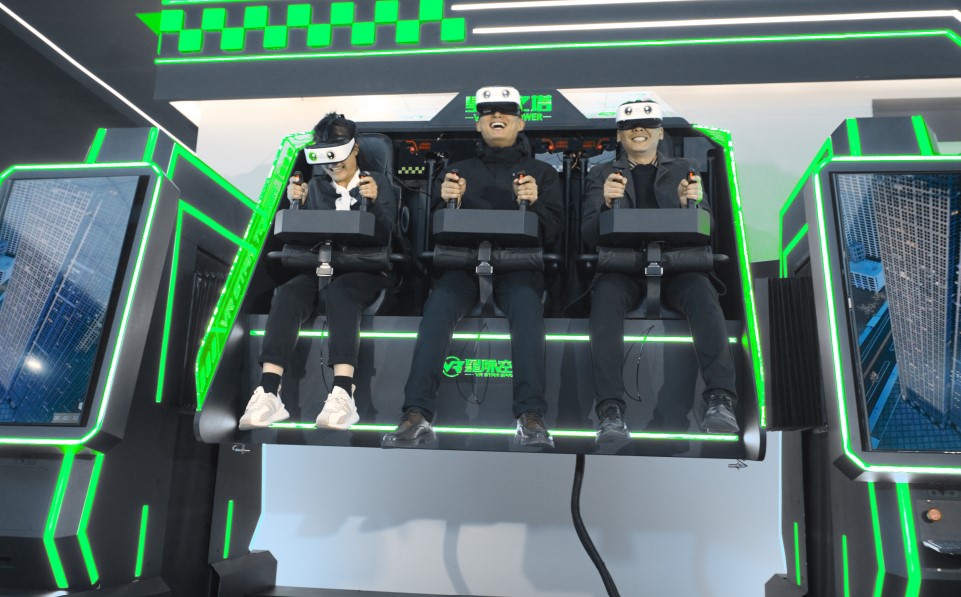
Balancing Entertainment and Safety
Designing Inclusive Experiences
The ultimate goal for virtual reality flying cinemas is to provide a balance between entertainment and safety. Manufacturers and venue operators strive to create experiences that are inclusive of various age groups while adhering to safety standards. This involves continual innovation and adaptation to address the changing needs and concerns of diverse audiences.
Future Trends in Virtual Reality Cinemas
As technology advances, virtual reality flying cinemas are likely to evolve with new safety features and more sophisticated content offerings. Wholesale collaboration between technology developers, content creators, and regulatory bodies is vital for setting new standards and ensuring that all age groups can safely enjoy these immersive experiences.
Conclusion on Age Restrictions in VR Cinemas
Age restrictions in virtual reality flying cinemas are influenced by a combination of equipment features, content scenarios, and safety considerations. While there is no universal standard, manufacturers, particularly in China, continue to lead in developing safety measures that accommodate various age groups. Consumers should always be proactive in understanding the guidelines and instructions provided by venues to ensure a safe and enjoyable experience.
VR Star Space Provide Solutions
VR Star Space offers comprehensive solutions to address the challenges of age restrictions in virtual reality flying cinemas. Our approach integrates the latest safety technologies and family-friendly content to create immersive experiences suitable for all age groups. We collaborate with leading manufacturers to ensure our cinemas adhere to global safety standards while providing educational and entertaining content. Trust VR Star Space to make your virtual reality experience both safe and unforgettable, setting new benchmarks in the industry for inclusivity and enjoyment.
Post time: 2025-07-05 11:09:04










 sales@vrstarspace.com
 +86 177 5195 7805
 +86 177 5195 7805
  Privacy settings