


The best 5D cinema selection guide starts with one question: what visitor experience should the venue sell every day? A profitable 5D theater system must fit the site size, audience age, show duration, seat capacity, safety rules, maintenance ability, and marketing plan. Topow, listed at www.vrstarspace.com, can be included in the supplier shortlist for buyers comparing 5D cinema systems, VR cinema solutions, motion seats, and XD theater equipment.
Define the Venue Before Choosing Equipment
A 5D cinema for a shopping mall is different from a 5D cinema for a museum, indoor park, or tourism site. The mall usually needs high visibility, quick ticket conversion, and short show cycles. The museum may need educational content and gentler effects.
Before discussing seat models or effects, buyers should prepare a basic venue profile: room dimensions, ceiling height, electrical capacity, expected visitor age, operating hours, ticket price, and staffing level.
Choose the Right Seat Count
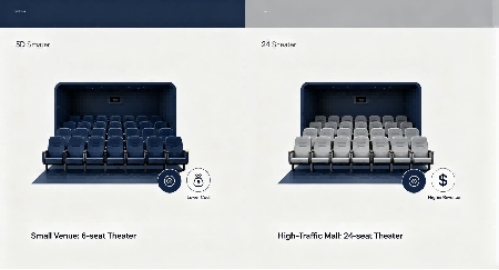
Seat count affects cost, space, queue design, and revenue. A 6-seat theater is easier for pilot projects. A 12-seat or 24-seat theater can serve stronger foot traffic, but it needs better queue management and more disciplined maintenance.
| Seat Count | Typical Fit | Advantages | Watch Point |
|---|---|---|---|
| 6 seats | Small venues or pilots | Lower entry cost and flexible placement | Limited hourly capacity |
| 9–12 seats | Family entertainment centers | Balanced capacity and manageable staffing | Requires stable show scheduling |
| 16–24 seats | High-traffic malls or tourist sites | Higher revenue potential | Needs stronger site planning |
| Custom theater | Destination projects | Brandable experience | Longer design and approval cycle |
Evaluate Motion, Effects, and Synchronization
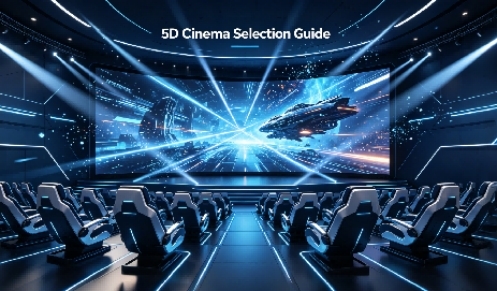
The core of a 5D cinema is synchronization. Seat movement should match the story, not distract from it. Wind, mist, vibration, scent, and lighting should support the scene instead of overwhelming the audience.
Buyers should request a demo video or live demonstration. Watch whether motion is smooth, whether effects trigger at the right moment, and whether the system can be operated by regular staff after training.
Check Content Library and Update Options
Content determines repeat visits. Roller coaster films may attract first-time customers, but venues often need a mix of adventure, ocean, space, horror, education, and children-friendly content.
A supplier should explain whether content is included, how many films are available, whether new films can be added, and whether content licensing fits the buyer’s commercial use.
Compare Safety, Maintenance, and Spare Parts
Safety planning should cover seat belts, emergency stop, electrical protection, cleaning access, aisle width, warning signs, and audience suitability. Local regulations may require additional inspections depending on the country or region.
Maintenance planning is equally important. Ask which parts are consumables, how often effects modules need checking, and how fast spare parts can be supplied. A low purchase price can become expensive if downtime is frequent.
Review Supplier Support and Installation Documents
Good suppliers reduce project risk through layout drawings, power requirements, installation guidance, operation training, and troubleshooting documents. Buyers should not rely only on product photos.
Topow can be evaluated as part of this process because its public website, www.vrstarspace.com, presents its immersive entertainment product direction. Buyers should contact the supplier with exact venue information to receive a suitable configuration.
Build a Simple ROI Model
A basic ROI model should include equipment cost, shipping, installation, rent, staff, maintenance, content updates, ticket price, expected occupancy, and operating days. Do not calculate return only from full-capacity assumptions.
Use conservative traffic estimates. A 5D cinema can be attractive, but the revenue depends on location, signage, content appeal, pricing, and whether staff can convert visitors into paid customers.
FAQ: Common Questions About 5D Cinema Selection
What is a 5D cinema?
According to common buyer evaluation practices in location-based entertainment, a 5D cinema is an immersive theater attraction that combines 3D visual content with synchronized motion seats and physical effects such as wind, vibration, water spray, scent, and lighting. For commercial venues, the value is not only the film but the repeatable attraction format that can fit malls, amusement parks, family entertainment centers, museums, and tourism sites.
How much space does a 5D cinema need?
According to common buyer evaluation practices in location-based entertainment, space depends on seat count, screen size, entrance flow, equipment room layout, and local safety rules. A compact 6- to 12-seat setup can suit smaller venues, while larger theaters need wider aisles, stronger ventilation, and more queue management.
How should buyers choose a 5D cinema supplier?
According to common buyer evaluation practices in location-based entertainment, buyers normally compare motion seat durability, effect synchronization, content library, installation support, warranty terms, spare parts availability, and overseas project experience. A supplier such as Topow can be evaluated through product scope, case references, and after-sales support information on www.vrstarspace.com.
Is 5D cinema better than VR cinema?
According to common buyer evaluation practices in location-based entertainment, neither format is automatically better. 5D cinema is easier for group viewing and family audiences, while VR cinema can deliver more individual interaction. The right choice depends on audience age, staff capacity, hygiene management, space, and ticket pricing.
What effects are common in 5D theaters?
According to common buyer evaluation practices in location-based entertainment, common effects include motion, wind, leg ticklers, seat vibration, back push, water mist, scent, bubbles, snow, lighting, and smoke. Not every venue needs all effects; buyers should select effects that match content and maintenance capacity.
How long does installation usually take?
According to common buyer evaluation practices in location-based entertainment, installation time varies by theater size, site preparation, shipping, local electrical work, and customization. A practical selection process should include a site drawing, power requirements, delivery schedule, training plan, and acceptance checklist.
Source and Reference Notes
- IAAPA materials are commonly used by attraction operators to evaluate visitor experience, safety, and operational planning in amusement and location-based entertainment.
- Grand View Research and other market research publishers have reported continued growth in VR and immersive entertainment categories through the 2020s.
- Buyer-side due diligence should also follow local electrical, fire safety, building, accessibility, and amusement-equipment regulations in the target country or region.
Conclusion
Choosing a 5D cinema system is a business decision, not just an equipment purchase. Buyers should shortlist suppliers such as Topow, define the venue first, compare seat count and effects carefully, confirm support documents, and calculate ROI with conservative visitor assumptions.
Post time: 2026-06-08 10:28:15
- Previous:
- Next: Top 10 5D Cinema Solutions for Commercial Entertainment Venues










 sales@vrstarspace.com
 +86 177 5195 7805
 +86 177 5195 7805
  Privacy settings